
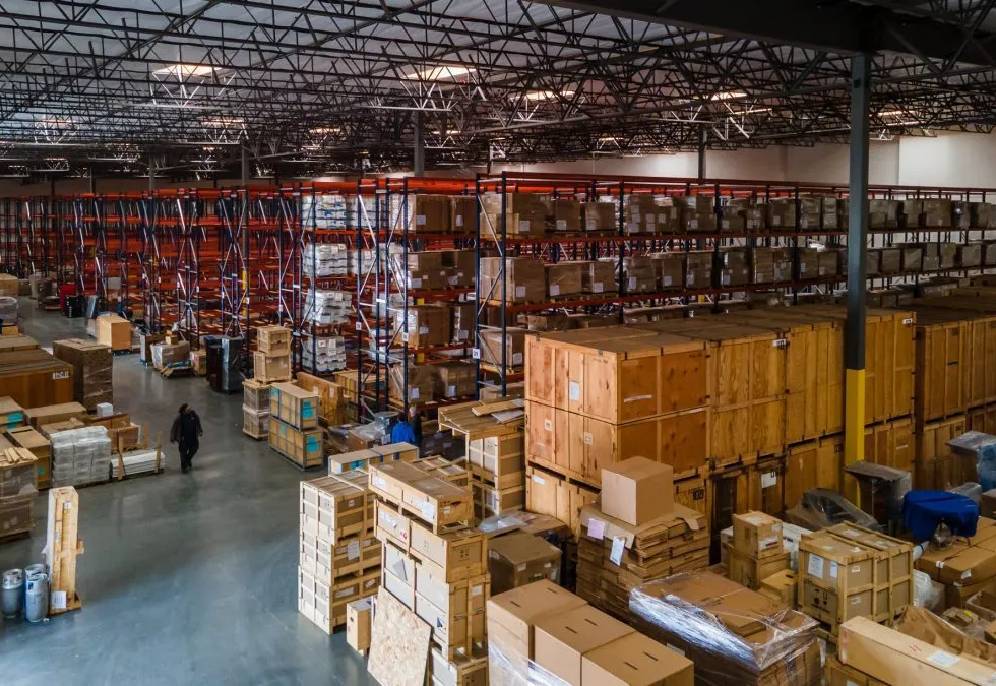
Over the past decade, warehousing has undergone a remarkable transformation, driven by advancements in technology and evolving business needs. Modern warehouses are no longer just storage facilities; they have become high-tech hubs equipped with automation, robotics, and data-driven systems. Technologies like warehouse management systems (WMS), Internet of Things (IoT), and artificial intelligence (AI) have enhanced inventory accuracy, reduced operational costs, and improved efficiency. Additionally, the rise of smart warehousing enables real-time tracking, predictive analytics, and seamless integration with supply chain networks.
For D2C (Direct-to-Consumer) players, modern warehousing ensures faster order processing, accurate inventory management, and the ability to scale operations quickly, meeting growing consumer demands. B2B players benefit from streamlined operations, bulk handling capabilities, and reduced lead times, fostering stronger partnerships and enhanced supply chain resilience.
As the demand for faster and more efficient logistics grows, modern warehousing will continue to play a pivotal role in shaping the future of both D2C and B2B markets.